
Upper Providence Resident Lookup Records
Upper Providence Township has no all-purpose official roll of everyone who lives there. The useful record changes with the task. A parcel record establishes the property context, a Recorder instrument identifies a transfer party, and a court docket identifies a participant in a public case. For Upper Providence Township, Montgomery County is the main local custodian, while Pennsylvania agencies keep statewide court, credential, voting, and vital-record routes.
| Record path | Question it can answer | Custodian | Access boundary |
|---|---|---|---|
| Property record | Parcel, situs address, and current property context | Montgomery County Property Records | Address or parcel only, not owner-name search |
| Recorded deed | Party to a documented property transaction | Recorder of Deeds | Account required; remote images are paid |
| Public docket | Named party, court, case status, and entries | Pennsylvania UJS Web Portal | Public docket scope only |
| Estate or marriage record | Probate role or county marriage route | Register of Wills and Clerk of Orphans’ Court | File and copy rules apply |
| Credential or entity record | Professional status or known entity filing | Pennsylvania licensing or business custodian | Neither confirms residence |
Start with the narrowest fact already in hand. An address points to the property portal; a document number points to the Recorder; a case number points to the court. A name alone needs a second identifier before it becomes a reliable Upper Providence Township resident lookup result.
Question-First Resident Lookup
For a present property question in Upper Providence Township, use the complete street address and the County’s municipality 61 context. The assessment portal removed owner-name searching in 2022, so it cannot turn a name into an address. A recorded document can sometimes bridge that gap because the Recorder system permits name, address, and parcel criteria after account creation. A deed party can be an estate, trust, company, or co-owner, so record the role exactly rather than calling every named party a household member.
For a historical family question, lead with period. The County Register of Wills has county births from 1893 to 1915 and probate docket books from 1784 to 1987, with computer access from 1988 forward. The Pennsylvania State Archives supplies the older tax, vital, and census context that a current parcel screen cannot provide. An Upper Providence Township resident lookup is strongest when it states whether the result is an owner, taxpayer, executor, voter, or directory subscriber.
Verify Upper Providence Resident Records
Use two independent details before treating records as one person. A public recorded instrument and a county parcel can be compared by legal description or parcel number. An estate docket can be compared to a death record or obituary. A public license can distinguish people with the same name through its license number or status. The goal is confirmation, not a larger list of possible matches.
- Write down the name, county, date range, and the exact question. Keep an address separate from a mailing address.
- For a property lead, obtain the parcel or situs through the County address search, then locate the relevant Recorder entry by parcel, address, or party name.
- Record the document number, legal description, party role, and recorded date. Compare those details with a second official source before joining names.
- For a court lead, use the UJS participant search with first name, last name, and Montgomery County, then filter the results by court or case status.
- Ask the holding office for a permitted copy or clarification when the original record, rather than a web index, matters.
- Docket
- A court’s running record of filings, events, parties, and status in one case.
- Index and image
- An index helps locate a record; an image is the document itself and can have separate access or copy rules.
- Certified copy
- A custodian-issued copy authenticated for an official purpose, not merely a printout from a search screen.
Upper Providence UJS Docket Checks
The Pennsylvania UJS Web Portal is the public court route for Montgomery County criminal Common Pleas and Magisterial District Court docket sheets, along with the portal’s other covered courts. Its participant search works best with a first name, last name, and county. Docket number, organization name, offense tracking number, police incident or complaint number, and state ID number are alternate search routes. County, court, and case-status filters help reduce a same-name result set.
| Participant and case identifiers | Name or case-related criteria point to a public docket result. |
|---|---|
| Court and county | They identify where the matter was filed and narrow the Upper Providence Township search. |
| Case category and status | They describe the docket’s current public posture, not a person’s whole history. |
| Docket entries and events | They show publicly available filings, scheduled events, and dispositions where recorded. |
A docket is not a criminal-history report. Juvenile, sealed, expunged, pending-expungement, limited-access, and some civil records may not appear, and recent entries can be delayed. A no-result does not prove that no record exists. PACER is a separate federal system with its own registration and fee rules.
See the public UJS docket choices shown below. The screen is a starting point for a documented case reference, not a reason to copy private contact details from a filing.
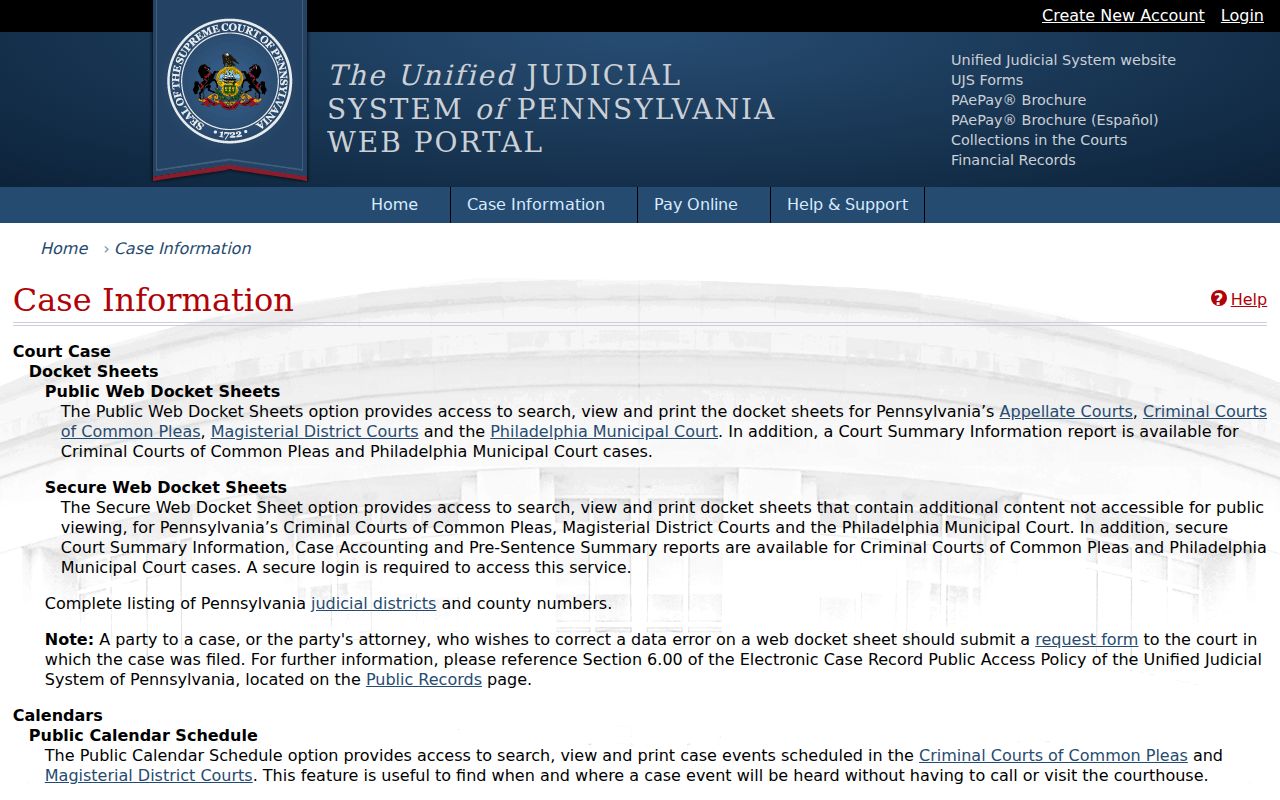
Use the docket number, court, and named party role to request an allowed file from the appropriate clerk if a case needs confirmation.
For a case in the Eastern District of Pennsylvania, PACER is the separate federal route. It requires an account and applies its own current fee rules, so it does not replace the Montgomery County and statewide UJS paths.
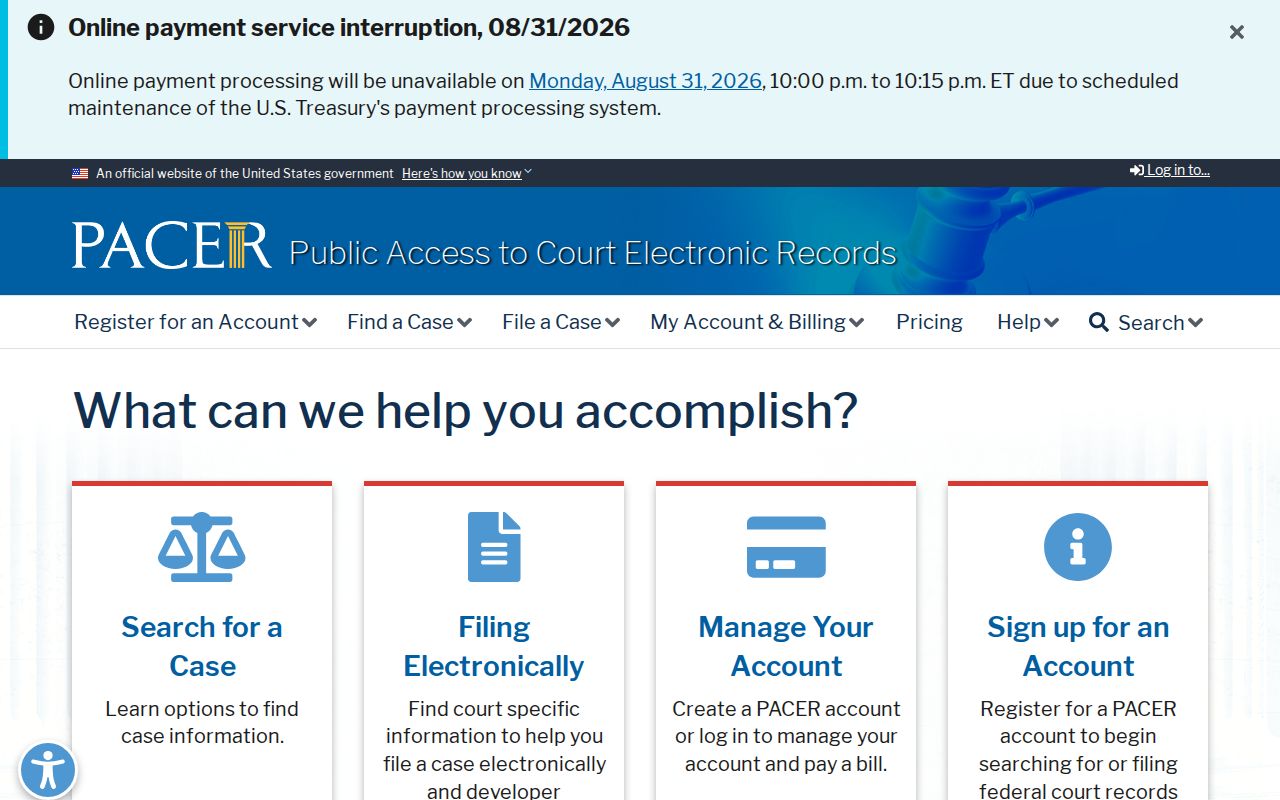
A federal result should be recorded with its court and case number, then kept distinct from a Pennsylvania UJS docket.
Vital Routes for Resident Lookup
Vital records are period-sensitive. Pennsylvania’s Division of Vital Records holds statewide births and deaths from 1906. Certified copies are limited to eligible people or authorities and cost $20, with an added online service fee noted by the Department of Health. The State Archives treats births as public after 105 years and deaths after 50 years, and describes archival births from 1906 to 1920 and deaths from 1906 to 1975. Montgomery County’s Register of Wills supplies the local birth bridge for 1893 through 1915.
Marriage licenses are Montgomery County records handled through the Clerk of Orphans’ Court. They are not the normal state vital-certificate route. Adoption files are confidential; the official Pennsylvania Adoption Information Registry is the proper voluntary program for authorized medical, social, or identifying information. These distinctions help an Upper Providence Township resident lookup avoid asking the wrong office for a protected record.
The Pennsylvania birth certificate ordering page displays the actual application routes and eligibility steps.
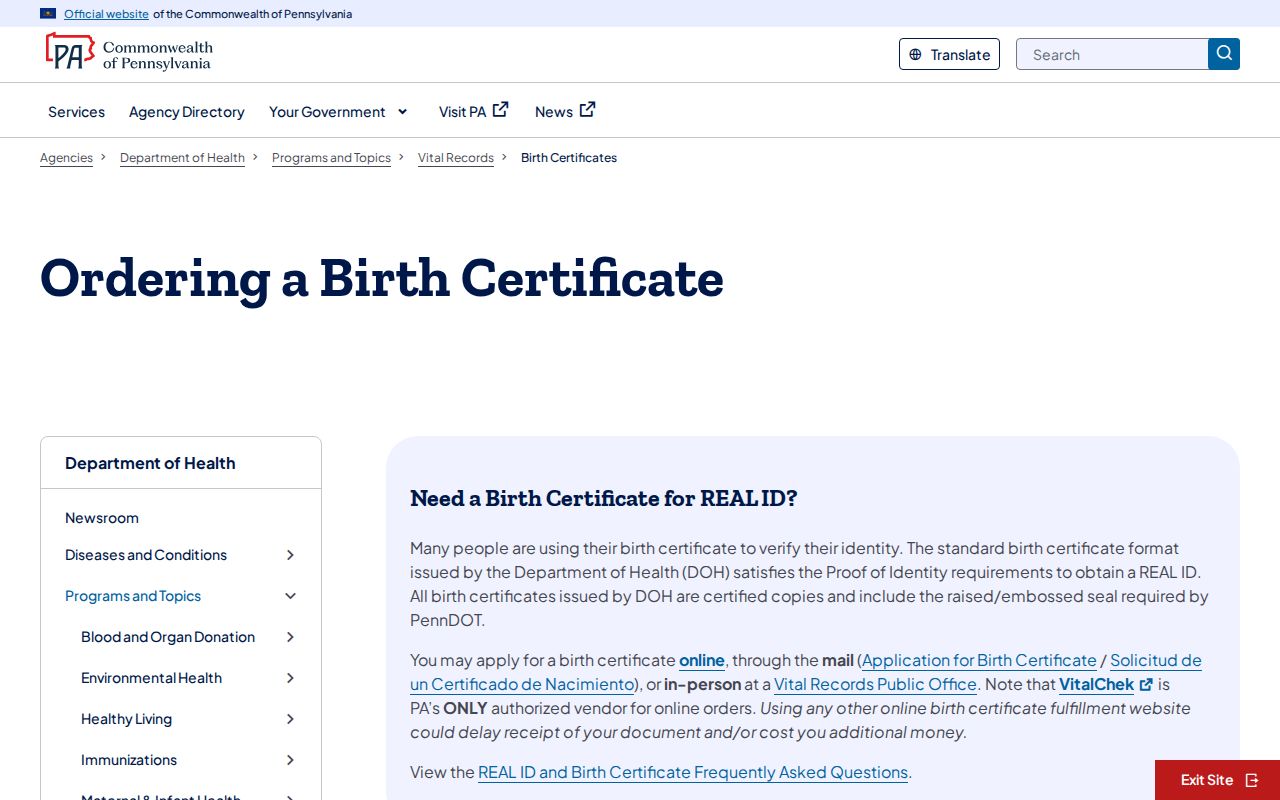
When a mature archival index supplies a certificate number, use that number with the appropriate archival or eligible certified-copy channel.
Resident Lookup License Checks
A professional credential is a limited identity cross-check, not a residence record. The Pennsylvania Licensing System provides public person, facility, disciplinary, and provider routes, and may show license status and board discipline. Use an exact licensee or credential detail from a reliable document. A match can support a profession or license status but cannot establish who lives at an Upper Providence Township address.
Known entities follow a similarly narrow path. The Department of State business system accepts an exact entity name or number, not officer, owner, or address reverse searches. A Recorder deed naming an LLC can therefore be compared with the exact entity filing, but neither source identifies every person connected to that organization.
The Department of State’s business-record instructions explain the entity-name and number limitation.
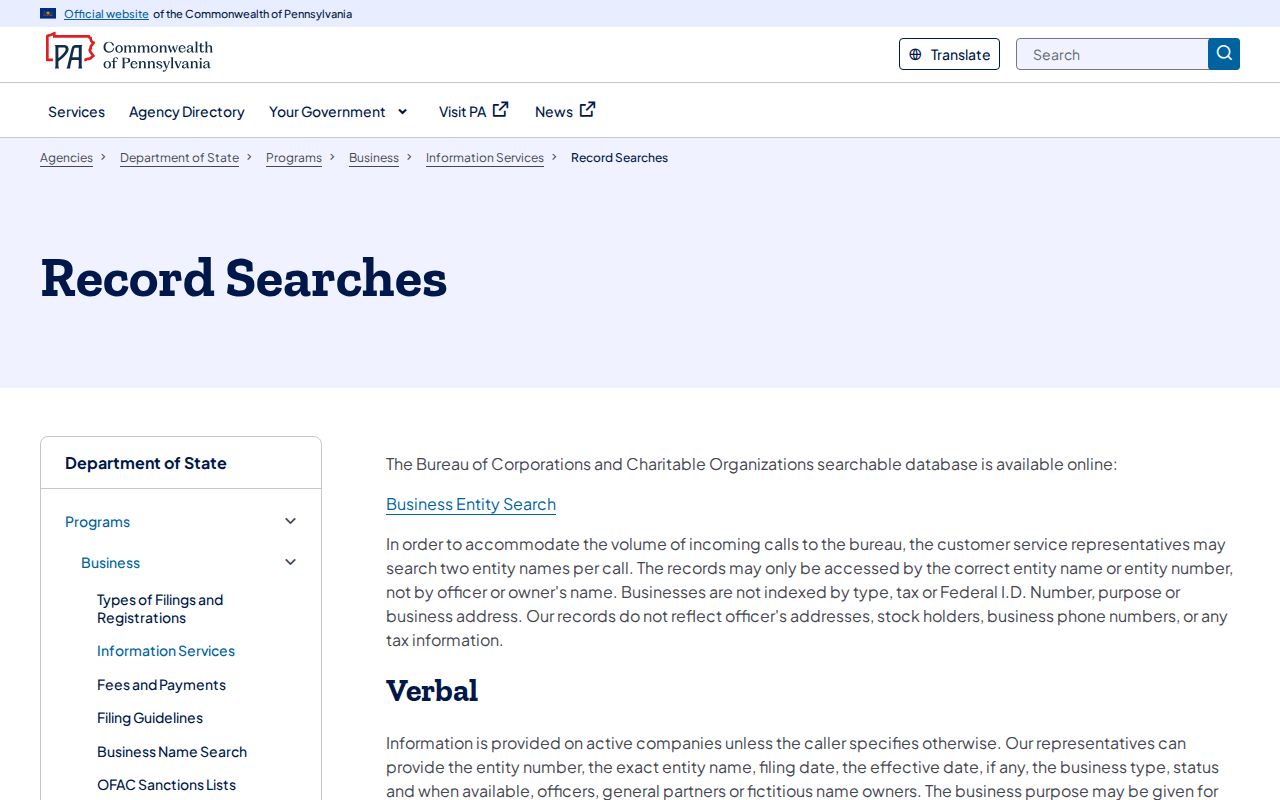
That limitation prevents a business screen from becoming a general Upper Providence Township resident lookup tool.
Upper Providence License Evidence
The Pennsylvania license-verification guidance leads to the PALS choices for person, facility, disciplinary, and provider searches. The route is useful after a license number or exact credential is known. It is not a name-and-address directory, and the research did not capture every live field label, so no unsupported form details should be assumed.
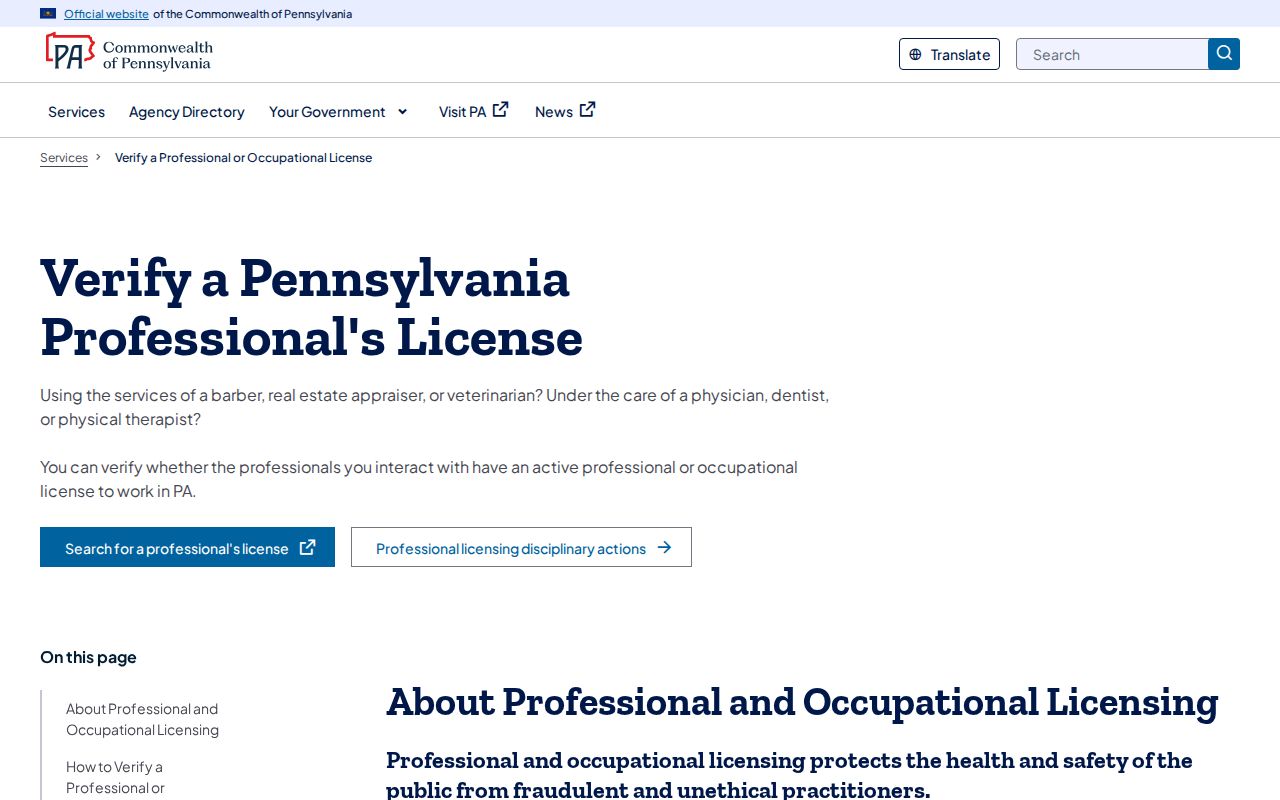
Compare a credential result with a public document that independently identifies the same person before relying on it for family-history or consumer-safety research.
Two Matches for Upper Providence Names
Upper Providence Township uses Phoenixville, Oaks, Collegeville, and Royersford postal labels, so matching people by a mailing city alone is risky. The durable local property key is municipality 61 plus the parcel and legal description. Historic material may appear under Landau, Trappe, Perkiomen Bridge, Freeland, Jacobs, Lumberville, or Port Providence. A date and geography check should happen before a person is connected to any of those labels.
For an heir question, combine a Register of Wills docket, a recorded deed trail, and death or obituary evidence. For a former classmate, use a yearbook or library path instead of property or voter records. The County Archives and Historical Society provide historical channels when the present-day indexes do not reach the right era.
Protected Upper Providence Records
Pennsylvania’s Address Confidentiality Program allows eligible survivors to use a substitute address in voter, court, state, driver, school, marriage-license, and utility records. A missing or alternate address should be respected, not investigated around. Public voter information also has statutory boundaries: electronic signatures and SURE registration numbers are excluded, and acquired list data carries a written use restriction.
When an official entry appears wrong, ask the actual custodian about its correction or redaction process. The Township or County Right-to-Know route is for a narrowly described government record, not a request to have staff identify unrelated people. The statewide Pennsylvania Right-to-Know Law citizens’ guide explains the request and appeal structure.
Lawful Resident Lookup Limits
Information from an Upper Providence Township resident lookup can be incomplete, dated, or tied to a role rather than a current home. Recorded deeds may name an owner, court papers may contain a filing address, and public registries have their own scope. Pennsylvania law also protects sealed court files, adoption information, vital records, driver information, and ACP participants. Custodian verification is the sound response to uncertainty.